
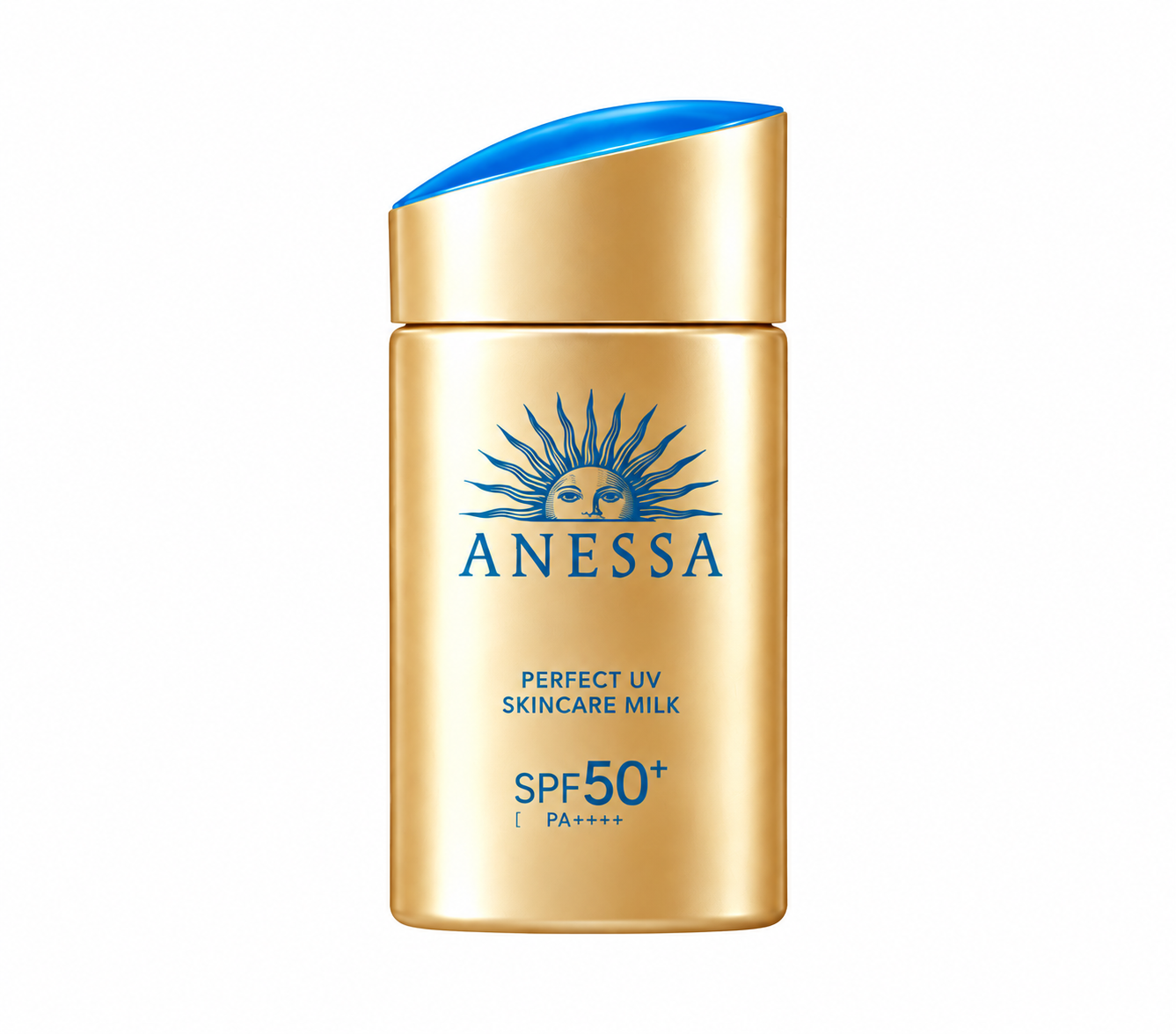
Anessa Perfect UV Skincare Milk
 4.5 / 5.0 (1,268+ Verified Amazon Ratings)
Amazon’s Choice
 High Demand: 1K+ bought in the past month
$31.09
($153.91 per fluid ounce)
Get $50 off instantly
Pay $0.00 upon approval for Amazon Visa
30-Day Returns
Free Prime Shipping
High-Performance UV Filters
SPF 50+ / PA++++
Provides protection against both UVB rays and deep-penetrating UVA rays. This represents the highest level of protection indicated on the label.
Water and Sweat Resistance
Maintains the protective layer on the skin even upon contact with sweat and water, ensuring it does not wear off quickly.
Hybrid Filter System
Combines mineral filters (such as zinc oxide and titanium dioxide) with chemical filters to provide broad-spectrum protection against ultraviolet rays.
Shiseido Japan Formula
Developed by Shiseido Japan under the Anessa line. It is one of Japan’s best-selling sunscreen brands.
At a Glance
Sunscreen Snapshot
Quick look at protection, size, and skin fit.
Full Name
Anessa Perfect UV Skincare Milk N Sunscreen
Standard Size
60mL bottle (90mL size also available in some markets)
Typical Price
$31.09 for the 60mL bottle
Customer Rating
4.5 out of 5 stars from over 1,268 Amazon buyers
Scent Profile
Fully unscented with no added fragrance in the formula
Skin Feel
Velvet-matte finish, non-sticky and non-greasy
Free From
No parabens, but contains alcohol (not an alcohol-free formula)
Manufacturer
Skincare Brand Shiseido from Japan
Ingredients & Science
What’s Inside Anessa Perfect UV Skincare Milk
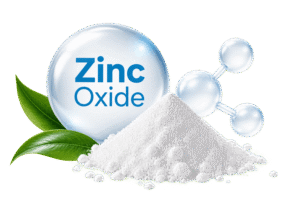
Zinc Oxide (10.35%)
This mineral filter sits on the surface of your skin and physically blocks UV rays rather than absorbing them. It’s widely considered non-toxic and gentle enough for sensitive skin, which is why it shows up so often in sunscreens made for babies and reactive skin types.
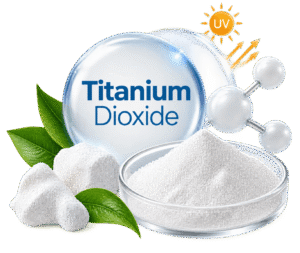
Titanium Dioxide
Considered merely a physical barrier, but it is now understood to function as a chemical filter as well. It absorbs about 95% of ultraviolet rays while reflecting the remaining 5%. This characteristic helps the formula provide broad-spectrum protection.
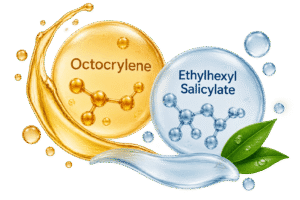
Octocrylene & Ethyl hexyl Salicylate
Both chemical filters absorb UV rays before they reach living skin cells, rounding out the coverage that zinc oxide and titanium dioxide start. This is the hybrid mineral-plus-chemical approach that separates Anessa from purely mineral sunscreens.
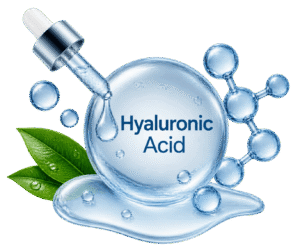
Hyaluronic Acid
Listed as an active ingredient on the product itself, hyaluronic acid draws moisture into the surface of skin. It’s there to offset the drying feel that some SPF-heavy formulas leave behind.
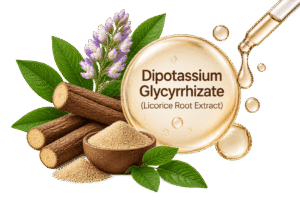
Dipotassium Glycyrrhizate (Licorice Root Extract)
A plant-derived ingredient added mainly for its calming effect on skin that’s been exposed to heat or sun. It’s a common addition in Japanese sun-care formulas built for daily wear.
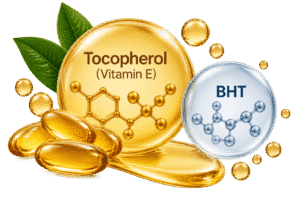
Tocopherol (Vitamin E) & BHT
An antioxidant to help skin cope with environmental stress, while BHT is added to keep the formula itself stable over time. Together, they support shelf life as much as skin feel.
A Note for Sensitive Skin
Patch test this formula on your inner arm before applying it to your face. The alcohol content can trigger mild tightness on dry or reactive skin within the first few uses. It’s labeled unscented, though some ingredient trackers flag trace fragrance in certain batches, so confirm with the brand if that matters to you.
📄 Complete INCI Formula Breakdown
50 IngredientsSPF Verification
Decoding the Sun Protection Label
| Label Claim | What Was Actually Tested |
|---|---|
| SPF 50+ | 2mg/cm² applied, UV exposure raised until skin reddened |
| PA++++ | Skin pigmentation checked 2 to 24 hrs after UVA exposure |
| Water Resistant | 40 to 80 min water immersion, then SPF re-tested |
Key Takeaway: SPF isn’t about how a sunscreen feels on skin. It’s about how much of it you apply. Most people use less than half the amount tested in the lab. That gap is why an SPF 50+ bottle often performs closer to SPF 20–25 in daily wear. Reapply every two to three hours to close that gap.
Competitor Comparison
How It Stacks Up Against Other Daily Sunscreens
A side-by-side look at protection, formula, and finish against leading sun-care brands.
| Feature | Anessa Perfect UV Skincare Milk | Biore UV Aqua Rich | La Roche-Posay Anthelios | Neutrogena Ultra Sheer |
|---|---|---|---|---|
| SPF / PA | SPF 50+ / PA++++ | SPF 50+ / PA++++ | SPF 50–60 | SPF 30–100 |
| Alcohol-Free | No | Varies | Varies | Yes |
| Hybrid Filter (Mineral + Chemical) | Yes | No | No | No |
| Added Hydrating Actives | Yes (Hyaluronic Acid) | Yes | Varies | No |
| Matte Finish | Yes | No | Varies | No |
Where Anessa Stands Apart: It’s the only one in this table combining a hybrid mineral-and-chemical filter with a matte finish and hydrating actives. Most competitors pick one lane and stay there.
Compatibility Guide
Who Gets the Most Out of This Sunscreen?
A quick match-up between your skin’s needs and what this formula actually delivers.
Likely to Help Noticeably
Unlikely to Help Meaningfully
From Honest Reviews
What People Actually Say
A quick match-up between your skin’s needs and what this formula actually delivers.
Where This Sunscreen Wins People Over
Where It Falls Short for Some
Usage Guide
Getting the Most Out of Anessa Perfect UV Skincare Milk
These five simple steps help you apply the sunscreen properly and get the protection you expect from it.
Shake the Bottle
Shake the bottle gently before each use so the formula is mixed evenly.
Apply Early
Apply the sunscreen 15 to 20 minutes before heading outdoors to give it time to settle on your skin.
Use Enough Product
Apply a generous and even layer over your face and body because a very thin coat will not provide the intended level of protection.
Massage It In
Spread the sunscreen evenly with your palms and gently massage it into the skin until it feels properly absorbed.
Cleanse at Night
Wash your face and body with a suitable cleanser at night to remove sunscreen residue before going to bed.
FAQs
MORE TO EXPLORE
Recommended Anessa Resources
How to Layer Sunscreen With Makeup
Full daily routine order: sunscreen to foundation
Where to Buy Anessa Sunscreen
Official retail and import buying guide
SPF50+ vs SPF30 Explained
What the SPF number actually changes for your skin
How Water-Resistant Sunscreen Actually Works
What “water resistant” really means and its limits
Sunscreen for Face vs Body: Do You Need Both
When one formula works for both and when it doesn’t
How Often You Really Need to Reapply Sunscreen
Breaking down the science behind reapplication timing
What “50% Skin Care Ingredients” Actually Means
Reading past the marketing claim on the label